
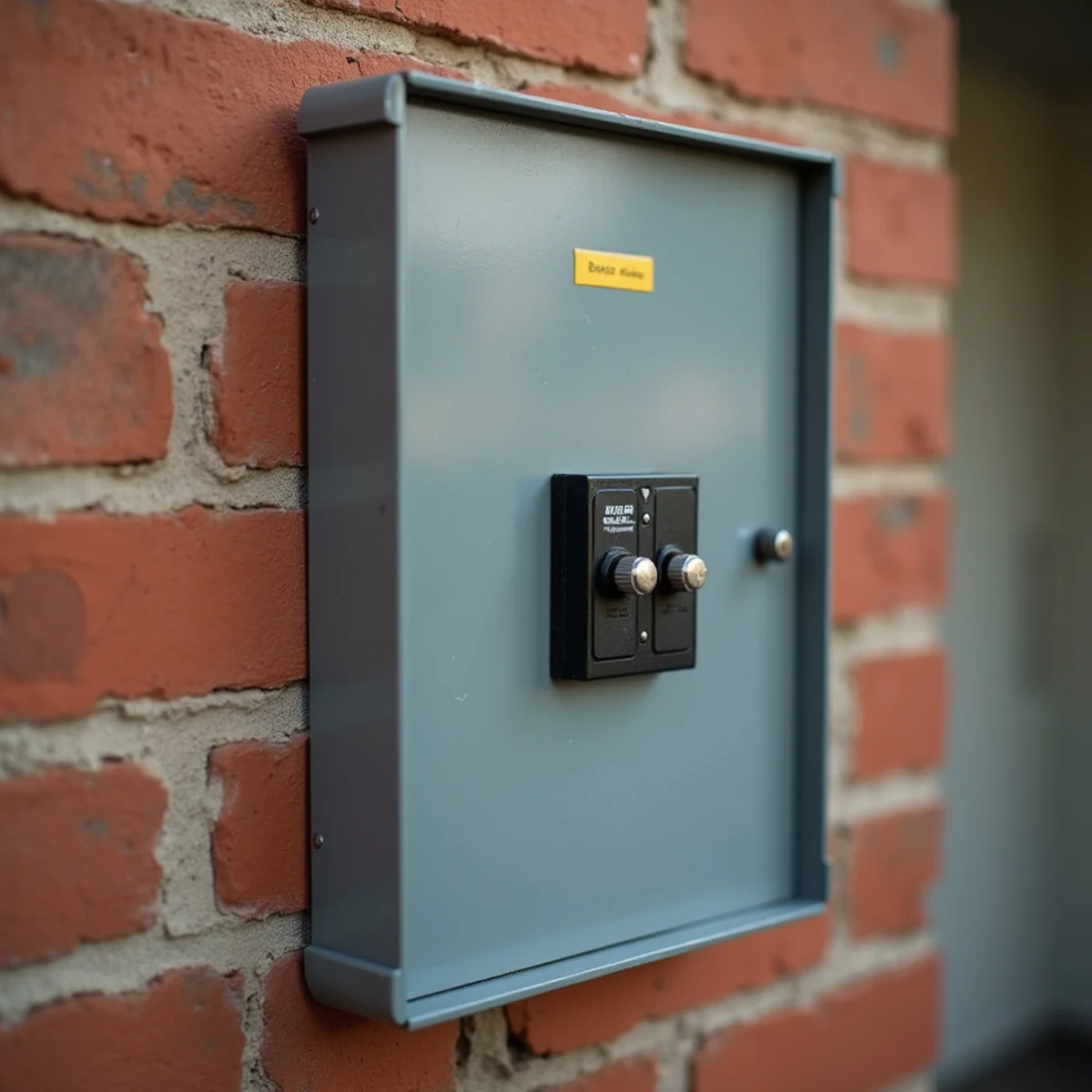
Direct Answer: Why AC Units Refuse to Restart After Grid Power Restoration
When electrical service is restored after a severe weather event like Hurricane Beryl or a sudden Houston transformer blowout, air conditioners frequently fail to restart because high-voltage inrush surges have blown the 3-amp or 5-amp low-voltage fuse on the furnace control board, ruptured the outdoor dual-run capacitor, pitted magnetic contactor points, or locked the compressor in thermal overload.
In many cases, the system's electronic safety delay or double-pole 240V circuit breaker simply tripped during grid re-energization. Following a structured electrical reset protocol can restore cooling safely without damaging sensitive compressor windings.
The Grid Inrush Penalty: What Hurricane Beryl Taught Houston Homeowners
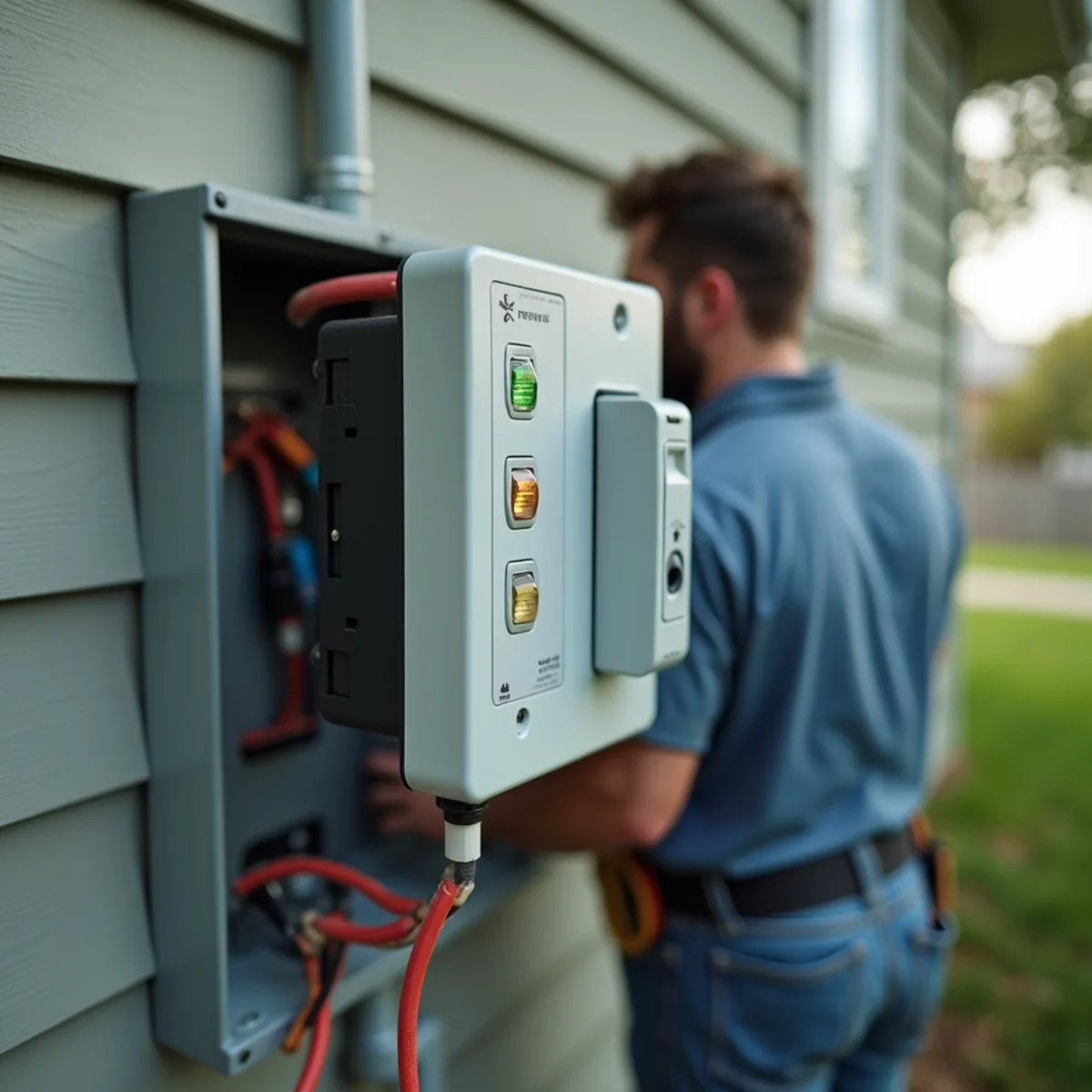
In July 2024, Hurricane Beryl knocked out electricity to more than 2.2 million CenterPoint Energy customers across the Houston metro area. As power was restored in rolling waves amidst triple-digit heat index readings, thousands of homeowners discovered that while interior lights came back on, their air conditioners remained silent.
When major electrical substations are energized, transient voltage spikes and high-frequency inductive kicks flood neighborhood distribution lines. Air conditioning systems that were left turned 'ON' when utility power dropped take the full brunt of this massive electrical wave.
The 4 Most Common Component Failures Triggered by Power Surges
A non-responsive cooling system following an electrical outage typically stems from one of four specific electrical failure points:
- •1. Blown 3-Amp / 5-Amp Automotive Fuse: Located directly on the indoor air handler or furnace control board, this sacrificial fuse blows to protect the expensive 24V transformer from line surges.
- •2. Ruptured Dual Run Capacitor: Sudden voltage fluctuations puncture the thin dielectric foil inside the capacitor, leaving the compressor and outdoor fan motor unable to generate starting torque.
- •3. Welded or Pitted Contactor Points: Rapid electrical grid flickering creates high-amperage electrical arcing across copper contactor points, welding them shut or burning contacts so power cannot bridge to the compressor.
- •4. Compressor Locked Rotor / Thermal Overload: If the compressor was running under full load when power dropped and immediately pulsed back on, unequalized head pressure prevents the rotor from spinning, tripping internal thermal safeties.
The Safe 5-Step HVAC Breaker Reset Protocol
Before calling for professional emergency dispatch, follow this standardized safety reset sequence to clear temporary electronic lockouts:
- •Step 1: Switch your thermostat firmly to 'OFF' and fan setting to 'AUTO'.
- •Step 2: Walk to your main electrical service panel and locate both the double-pole 240V breaker labeled 'AC / Condenser' and the single-pole 120V breaker labeled 'Furnace / Air Handler'.
- •Step 3: Flip both breakers completely to the 'OFF' position (press firmly toward the outside edge until they click).
- •Step 4: Wait a full 10 to 15 minutes. This delay is mandatory—it allows internal compressor refrigerant pressures to equalize and discharges capacitor residual voltage.
- •Step 5: Firmly flip both circuit breakers back to 'ON', return to your thermostat, and set it to 'COOL' with a temperature setting 3 degrees below room temperature.
Whole-Home and HVAC-Specific Surge Protection: Why Disconnect SPDs Are Essential
Modern variable-speed inverters and ECM blower motors contain complex solid-state microprocessors that cost $800 to $1,800+ to replace after a surge event. Standard whole-home surge protectors at the main panel absorb high-voltage grid spikes, but equipment-level protection is equally vital.
We install dedicated Type 1 and Type 2 HVAC surge protective devices (SPDs) directly into outdoor electrical disconnect boxes. These industrial-grade arrestors divert catastrophic voltage spikes to ground in nanoseconds, safeguarding compressors and circuit boards across Kingwood, Humble, and Atascocita.
Have an Immediate Heating or AC Problem in Humble?
Capacitors, motors, coils, and drain lines serviced 24/7. Call (321) 478-0693.
Related Local Services & Coverage Areas
Questions Homeowners Ask About This Topic
Clear, straightforward answers about HVAC service, repairs, and pricing in Humble, TX.
Not Urgent? Send a Request
Schedule non-emergency repairs, seasonal tune-ups, or request an in-home replacement estimate.